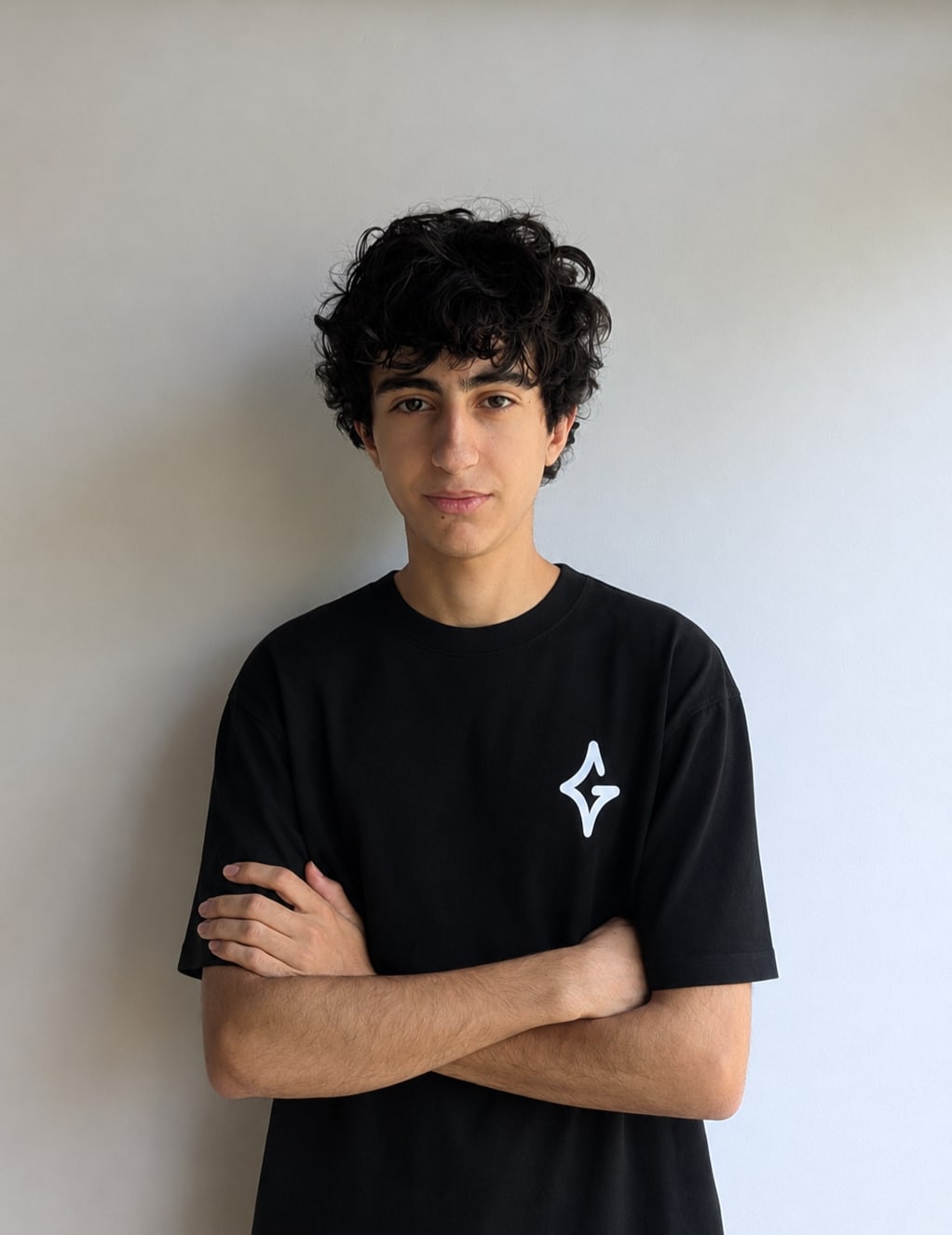

GEOMETRY · LOOKSMAX
iOS 15.5+, Android 9+
GlowAI
GlowAI is a looksmax measurement app: it computes 75 geometric facial metrics from two photos and scores each against published anthropometric standards.
Independent product company · Yerevan · Startups · Apps · Developer tools
Moon Labs is a product company in Yerevan, Armenia. We build focused startups, AI products, apps and developer tools, including GlowAI, Munu and DockTerm, from idea through launch.
75metricsGlowAI
Measure facial harmony from two photos, then turn the result into a plan.
Selected work
Facial geometry, developer focus, parkour, and party games. Each product gets an identity shaped around the job it does.
GEOMETRY · LOOKSMAX
iOS 15.5+, Android 9+
GlowAI is a looksmax measurement app: it computes 75 geometric facial metrics from two photos and scores each against published anthropometric standards.
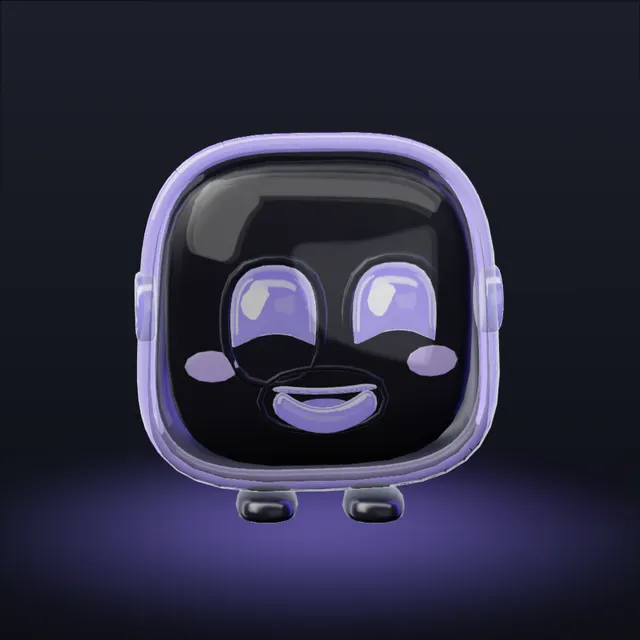
VOICE · DESKTOP
Windows 10/11, Apple silicon Mac
Munu is a voice assistant for Windows and Mac: say its name and ask, it keeps notes you own, and it moves the pointer with your hand.

CLAUDE CODE · DESKTOP
macOS, Windows, Linux
DockTerm is a terminal-first desktop home for Claude Code, with a notch mascot that surfaces permission prompts over fullscreen apps.
By the numbers
What we believe
Every Moon Labs product started as a tool its author wanted and could not buy, which is why there are four of them and not forty.
GlowAI scores a face against published anthropometric ranges. The score is not an AI opinion: the same photo always returns the same numbers.
Each feature lives in the founder’s own daily use for weeks before it reaches a store build, the slowest honest way to test one.
Common questions
References
Store listings for what’s shipped, and the published anthropometric literature GlowAI’s measurement ranges are built on.
Apple’s listing for GlowAI, with the developer name, the platform requirement and the release history.
Google’s game listing, with the developer name, content rating and update history.
The reference dataset for human craniofacial measurement, the source of most normative ranges in use today.
Defines the profile angles, nasofrontal, nasofacial, nasomental, mentocervical, used in the side-profile analysis.
Modern synthesis of facial proportion assessment, and the source for several vertical-thirds and horizontal-fifths ranges.
Soft-tissue analysis of the face: lip projection, smile arc and incisor display.
Current maxillofacial ranges, covering the midface and chin projection.
Elsewhere
Updated
Say hi
munetic.studiogmail.comReply within 48 hours.